On this page
- What Is Exposed Aggregate Concrete and How Does It Work?
- Is Exposed Aggregate Concrete Slippery When Wet?
- Exposed Aggregate Concrete vs Plain Concrete: Which Is Better?
- Exposed Aggregate Concrete vs Coloured Concrete: The Comparison
- What Exposed Aggregate Colours Are Available?
- How Long Does Exposed Aggregate Concrete Last?
- How Thick Does an Exposed Aggregate Concrete Driveway Need to Be?
- How to Seal an Exposed Aggregate Concrete Driveway
- Does Exposed Aggregate Concrete Crack?
- Frequently Asked Questions
- The Point That Matters Most
Exposed aggregate concrete is a driveway finish where the cement paste on the surface is washed back before curing to reveal the natural stone aggregate beneath. It is slip-resistant, textured, low maintenance and holds its appearance for 30 years or more.
Exposed aggregate concrete is the most popular driveway upgrade finish across Sydney because it outperforms plain and coloured concrete on grip, long-term appearance and stain concealment. It suits any home style and comes in a range of stone colours including river pebble, granite, basalt and quartz. If your existing driveway is worn or stained but the slab beneath is structurally sound, an exposed aggregate concrete overlay as part of a resurfacing job is a viable path before committing to full replacement.
What Is Exposed Aggregate Concrete and How Does It Work?
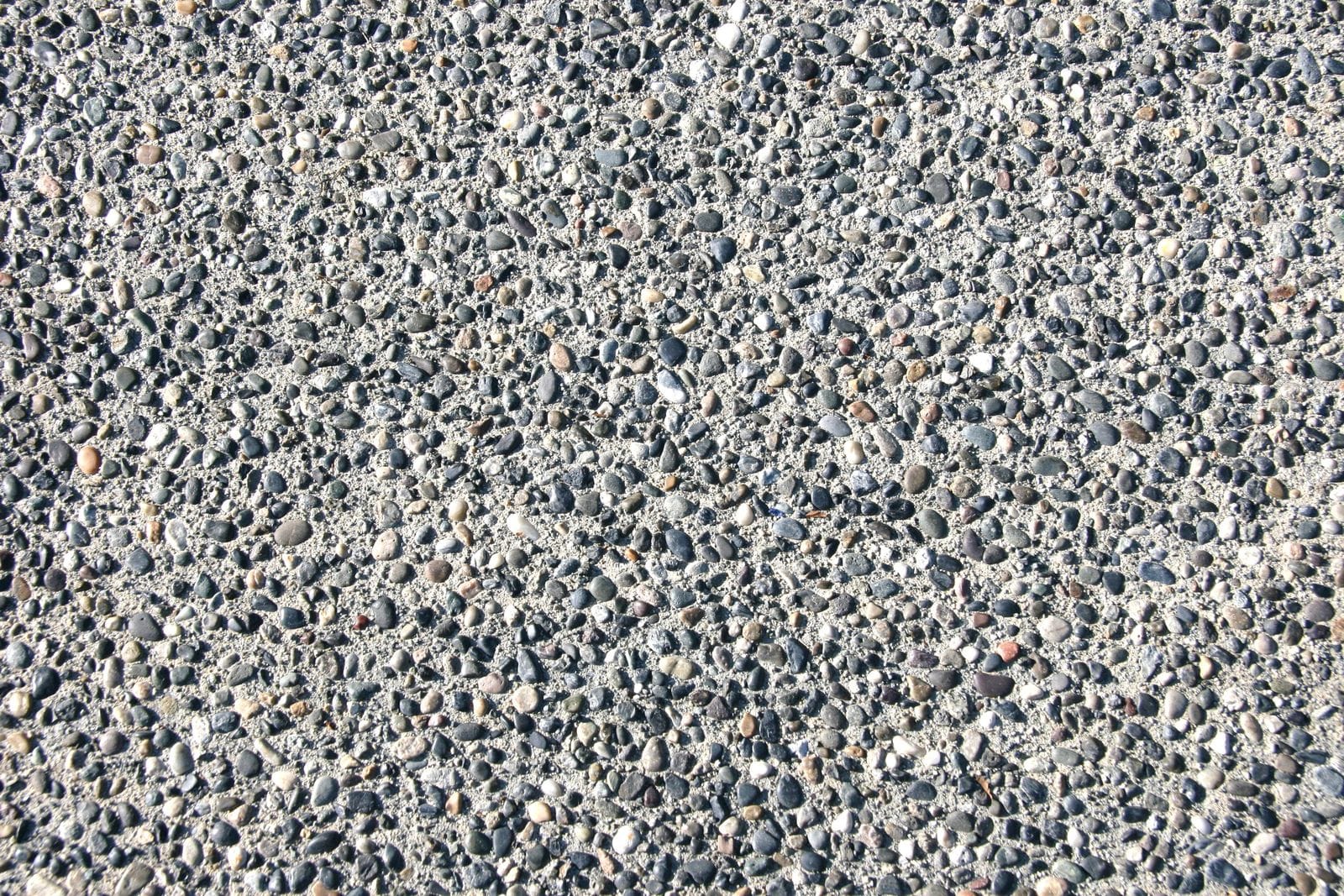
Exposed aggregate concrete is exactly what the name describes. When an exposed aggregate concrete driveway is poured, the top layer of cement paste is washed or brushed back before it fully sets, revealing the natural stone aggregate within the mix. The result is a textured, visually distinctive surface with depth and colour variation that a plain brush finish cannot produce.
The aggregate used in exposed aggregate concrete varies considerably. River pebbles, crushed granite, basalt and quartz are all common across Sydney. The size and colour of the stone determines the character of the finished driveway – this is why two exposed aggregate concrete driveways can look entirely different from each other even when the pour method is identical. The mix design and aggregate selection are what drive the final result.
Exposed aggregate concrete has been used in Australian residential construction for decades. Its sustained popularity is not a function of trends. It earns repeat use because it performs over the long term.
For a full overview of all driveway finishes KMA installs – including plain brush, coloured concrete and stamped options alongside exposed aggregate concrete – see the concrete driveways Sydney service page.
Is Exposed Aggregate Concrete Slippery When Wet?
No. Exposed aggregate concrete is one of the least slippery driveway surfaces available because of how it is made. The protruding stone aggregate creates a naturally rough, multi-directional texture that provides genuine grip underfoot and under tyre in wet conditions. This is a structural property of the finish, not a coating applied on top – it does not wear smooth the way a sealed or painted surface can.
On sloped driveways – common across western Sydney, the Hills District and escarpment properties – the grip advantage of exposed aggregate concrete over plain or coloured concrete is a practical safety consideration, not just an aesthetic one. Plain brush concrete is textured but shallower, and under sustained vehicle traffic it wears back over time. Exposed aggregate concrete maintains its grip profile because the texture lives in the stone itself.
Exposed Aggregate Concrete vs Plain Concrete: Which Is Better?
Both are poured and reinforced identically. The difference is entirely in the surface treatment stage and what that delivers over the life of the driveway. Here is the honest comparison.
Grip and Safety
Exposed aggregate concrete provides better traction than plain concrete in wet conditions. The protruding aggregate creates a naturally rough surface that holds up under vehicle and foot traffic over decades. Plain brush concrete is textured but shallower, and it wears more quickly under sustained load.
Appearance Over Time
Plain concrete shows tyre marks, oil staining and surface wear more visibly as it ages. The multi-tonal, varied surface of exposed aggregate concrete conceals everyday driveway marks far more effectively. After ten years of regular use an exposed aggregate concrete driveway typically looks considerably closer to its original condition than an equivalent plain pour. This durability of appearance is one of the primary reasons exposed aggregate concrete remains the most requested driveway upgrade across Sydney.
Concrete Driveway Maintenance
Both finishes benefit from periodic concrete driveway sealing to protect the surface and extend its life. The key advantage of exposed aggregate concrete over other decorative finishes is that the aggregate is part of the concrete itself – it does not peel, delaminate or require recoating the way surface-applied finishes can. Concrete driveway maintenance over the long term is lower for exposed aggregate concrete than for most alternatives.
Installation
Exposed aggregate concrete is poured the same way as plain concrete structurally. The difference is the surface treatment stage – the wash-back timing must be right. Too early and the paste has not set enough to hold the aggregate. Too late and the surface cannot be opened. KMA has been installing exposed aggregate concrete driveways across greater Sydney since 1999.
For homeowners comparing concrete driveway finishes Australia-wide, exposed aggregate concrete consistently comes out ahead on longevity, grip and long-term appearance over plain brush.
Exposed Aggregate Concrete vs Coloured Concrete: The Comparison
Both are genuine upgrades from plain brush concrete. Both suit a range of architectural styles. They serve different priorities.
Coloured concrete uses oxide pigments blended through the full mix before pouring. The colour runs through the entire depth of the slab and cannot peel or chip. It delivers a clean, uniform appearance that suits contemporary homes and minimalist landscaping particularly well.
Exposed aggregate concrete produces a non-uniform, naturally varied surface where the colour comes from the stone itself. River pebble, granite, quartz or basalt all produce different results. The natural variation in tone across the surface is part of the aesthetic. Exposed aggregate concrete suits Federation-style homes and modern builds equally depending on aggregate selection.
The practical differences:
- Exposed aggregate concrete provides superior grip on sloped driveways compared to coloured concrete
- Coloured concrete gives cleaner, more uniform sight lines – better suited to contemporary landscaping
- Exposed aggregate concrete conceals surface staining and everyday marks more effectively over time
- Exposed aggregate concrete typically has a longer maintenance-free appearance lifespan
- Both finishes benefit from periodic sealing to maintain appearance and protect the surface
Neither is the wrong choice for a Sydney driveway. The right decision depends on your home, your site gradient and your aesthetic preference. If you are deciding between the two, a conversation with a KMA concretor about your specific site is the quickest path to an honest recommendation.
What Exposed Aggregate Colours Are Available?
When you choose exposed aggregate concrete you are choosing the aggregate mix, not a paint colour. The colour comes from the stone in the mix. Common aggregate selections across Sydney:
- River pebbles – warm tans and browns, rounded smooth profile, widely used across western Sydney, Penrith and the Hills District
- Crushed granite – cooler greys and silvers, more angular profile, suits contemporary homes
- Basalt – deep charcoal tones, highly consistent in appearance, popular in the inner west and eastern suburbs
- Quartz – lighter tones ranging from near-white to pale gold, gives a brighter exposed agg finish
The cement base colour also plays a role in the final result of exposed aggregate concrete. A white cement base brings out lighter aggregates more vividly than a standard grey base. KMA recommends reviewing actual poured and cured samples before selecting – the colour of a finished, sealed exposed aggregate concrete driveway looks different from loose aggregate in a sample bag, and different again after a season of sunlight and vehicle traffic.
How Long Does Exposed Aggregate Concrete Last?
A correctly poured and maintained exposed aggregate concrete driveway should give 30 years or more of serviceable life on a residential property. The factors that shorten that lifespan are not related to the exposed aggregate concrete finish itself – they are slab installation issues: insufficient thickness for the load, poor sub-base preparation, inadequate reinforcement or poor curing conditions.
Exposed aggregate concrete holds its appearance longer than most other residential driveway finishes because the texture and colour are structural rather than applied. There is no coating to fade, no surface layer to peel and no joint system to maintain.
If your existing exposed aggregate concrete driveway has surface cracking or staining but the underlying slab is structurally sound, resurfacing is worth assessing before committing to full replacement. KMA’s concrete resurfacing and repair service covers that assessment honestly. If the slab is sound, resurfacing with an aggregate overlay restores the exposed aggregate concrete appearance at lower cost than a full new pour.
How Thick Does an Exposed Aggregate Concrete Driveway Need to Be?
The exposed aggregate concrete surface treatment does not change the structural specification of the slab. The same thickness requirements apply as for any concrete driveway pour.
For a standard residential driveway carrying passenger vehicles, 100mm with steel mesh reinforcement is the minimum correct specification. Driveways regularly carrying heavier vehicles – utes, vans and large SUVs – move to 125mm. Properties with regular concrete truck, skip bin or commercial vehicle access should discuss 150mm before formwork is set.
The exposed aggregate concrete surface sits in the top 5 to 10mm of the pour. The slab thickness beneath it determines long-term performance under load. The most common cause of cracking in exposed aggregate concrete driveways in Sydney is not the finish – it is a slab poured too thin for the actual load it was carrying.
KMA quotes the correct thickness for your driveway based on what it will carry. For more on concrete slab specification, the raft slab vs waffle pod slab guide covers the structural thinking that applies across all concrete work.
How to Seal an Exposed Aggregate Concrete Driveway
A new exposed aggregate concrete driveway should cure for a minimum of 28 days before the first sealer is applied. Sealing too early traps moisture and can compromise the bond and appearance. After 28 days the exposed aggregate concrete is fully cured and ready for the sealer to penetrate correctly.
Sealing brings out the colour and depth of the stone significantly – a freshly sealed exposed aggregate concrete driveway looks notably richer than an unsealed one. Resealing every three to five years is a practical maintenance schedule for most Sydney conditions. Driveways in full sun or high-traffic areas may benefit from more frequent attention.
Can you seal exposed aggregate concrete yourself? For a basic penetrating sealer on a sound slab, yes. For a film-forming or high-gloss sealer, a professional crew produces more consistent results across a large area.
What happens if exposed aggregate concrete is not sealed? The driveway remains functional, but unsealed exposed aggregate concrete is more susceptible to oil and fluid staining, and the stone surface becomes more porous over time. Sealing is maintenance, not a structural requirement – but it makes a visible and lasting difference to the appearance and longevity of exposed aggregate concrete.
Does Exposed Aggregate Concrete Crack?
Any concrete surface can crack. Exposed aggregate concrete is no different.
The causes of cracking in exposed aggregate concrete driveways are the same as for any concrete pour: insufficient slab thickness for the load, poor sub-base preparation, inadequate reinforcement or problematic curing conditions. Surface crazing – fine hairline cracks – is typically a curing issue and is not structural. Deep through-slab cracking with displacement is structural and indicates movement beneath the slab.
Where exposed aggregate concrete has surface damage but the underlying slab is structurally sound, an aggregate overlay as part of a resurfacing job is a cost-effective path. Where the slab has moved or cracked through its full depth, replacement is the correct answer. Our guide to concrete resurfacing in Sydney covers how that assessment is made.
Frequently Asked Questions
Is exposed aggregate concrete more expensive than plain concrete?
Yes. Exposed aggregate concrete typically costs more than a plain brush finish because the surface treatment requires more time and an experienced crew. The difference is offset over the life of the driveway by lower maintenance costs and better long-term appearance.
Can exposed aggregate concrete be resurfaced?
Yes. If the underlying slab is structurally sound, an exposed aggregate overlay applied as part of a concrete resurfacing job can restore the appearance of a worn or damaged surface without full replacement.
How soon can you drive on a new exposed aggregate concrete driveway?
Typically seven days for light passenger vehicles. Full strength is reached at 28 days. Your concretor will confirm the specific timeline for your pour conditions.
Does exposed aggregate concrete stain?
Unsealed exposed aggregate concrete can absorb oil and fluid staining. A quality sealer applied after curing and maintained every three to five years provides effective stain protection for the life of the driveway.
Is exposed aggregate concrete good for driveways in western Sydney?
Yes. Exposed aggregate concrete is one of the most widely installed driveway finishes across Penrith, Blacktown, Campbelltown, Liverpool and the Hills District – areas KMA has been working across since 1999.
The Point That Matters Most
Exposed aggregate concrete earns its popularity not because it looks good on pour day – though it does – but because it continues to look good ten, fifteen and twenty years later with minimal maintenance. It provides genuine practical advantages over plain and coloured concrete, suits any home style, comes in a range of aggregate colours and mixes, and when poured correctly to the right specification it is one of the strongest-performing residential driveway surfaces available in Sydney.
The exposed aggregate concrete finish is only as good as the slab beneath it and the crew who installs it.
KMA Concrete Constructions has been pouring exposed aggregate concrete driveways across greater Sydney since 1999. Our own crew on every job – no subcontractors, no shortcuts on slab thickness or sub-base preparation.
Request a quote or call 02 9054 3040 to talk through your exposed aggregate concrete driveway with an experienced KMA concretor. View all areas we service across greater Sydney.
Licensed Sydney concreters pouring residential, commercial and council concrete since 1999. Every job is worked to engineer-certified specifications by our own crew.
NSW Fair Trading Lic. 219967c · ABN 13 160 436 902 · Fully insured